


QUICK HITTERS:
Welcome new & existing subscribers 👋 If you are enjoying these please forward to a friend or subscribe if you haven’t already. And Mark, thanks for your kind words….glad you joined us!
Next week I will be sending out a short mid-week post & podcast to subscribers only (STILL FREE!). I’ve heard some of you like to listen more than you like to read so we’ll see how that goes.
I know I’ve recommended him before but Michael Ian Black is an amazing follow. One of his latest pieces, here, is an extraordinary look into where our democratic republic may be headed. He riffs on billionaires, feudalism, nuerodivergents, and even the Hawk Tuah girl. It’s gold.
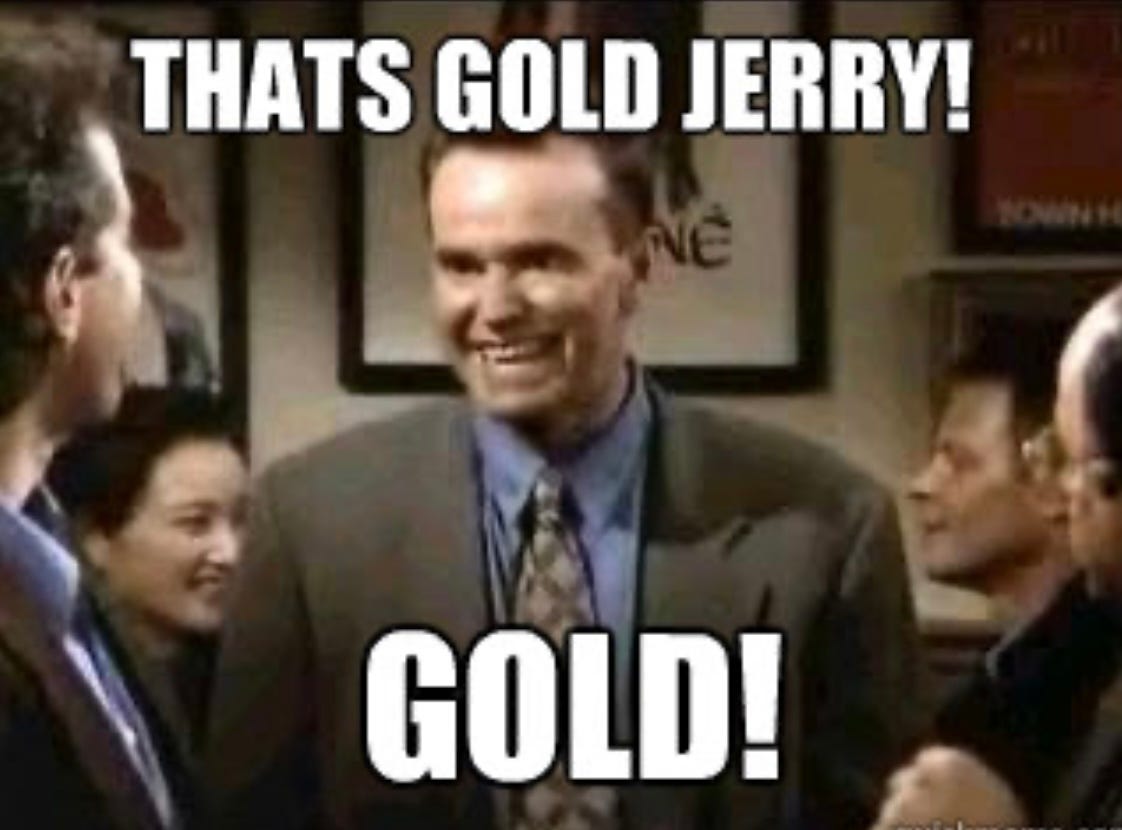
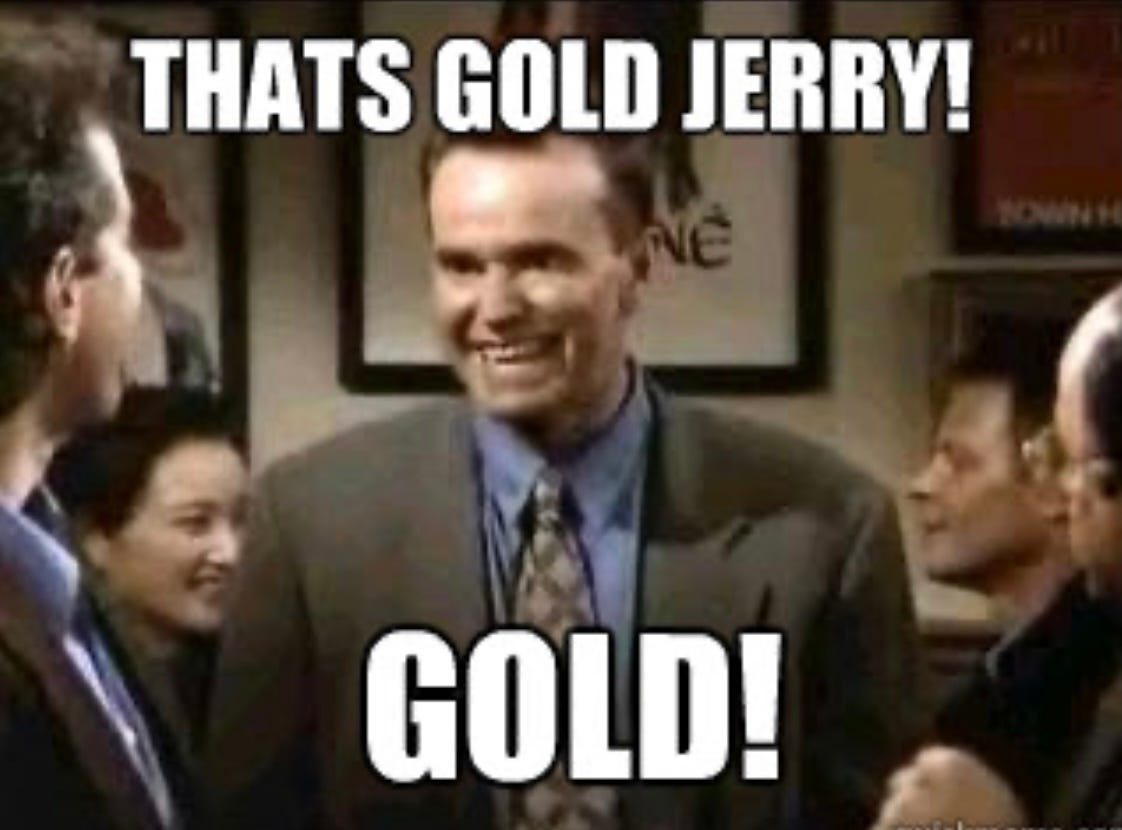
Bania is a totally underrated Seinfeld character
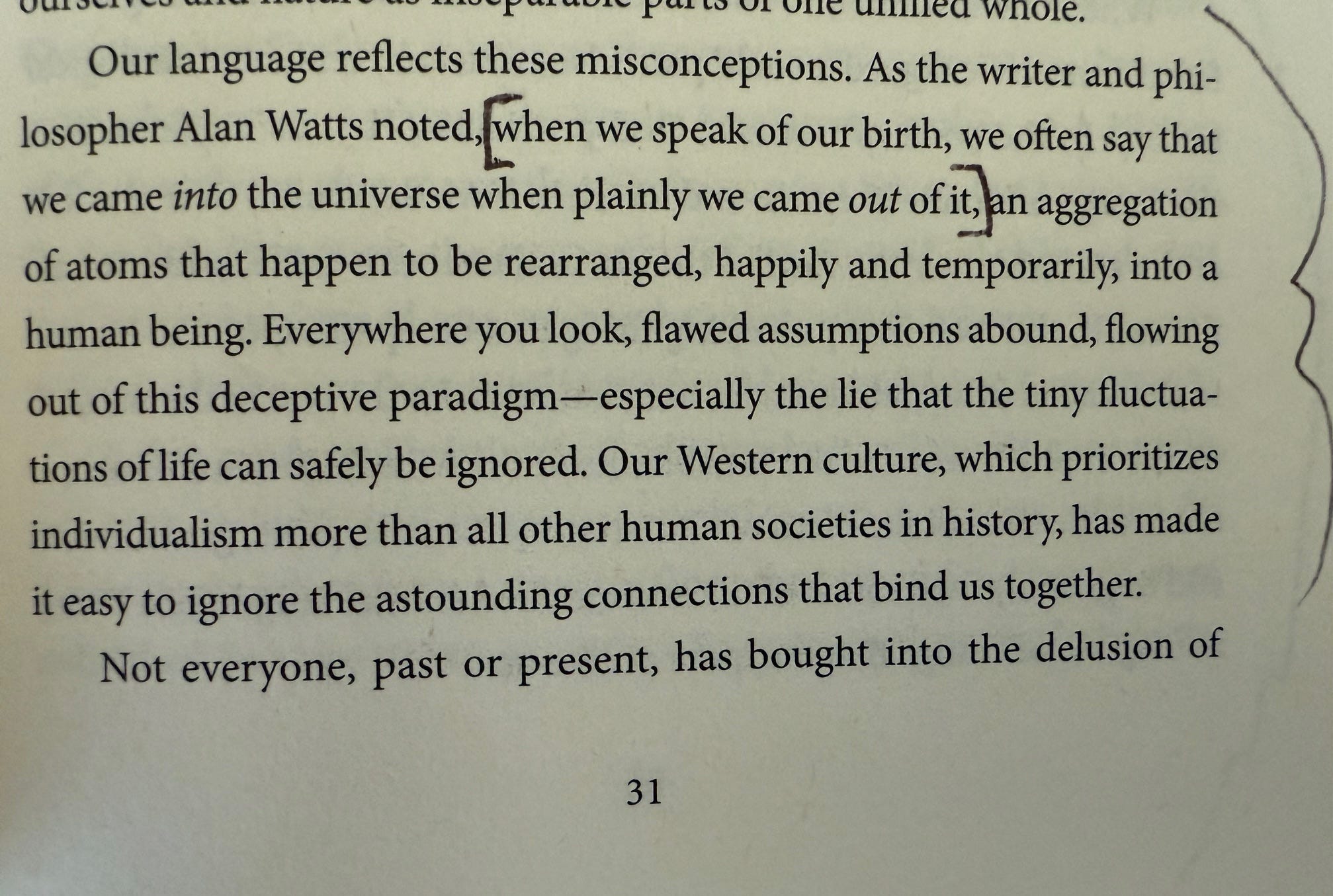
Best thing I read this week: I am only a few chapters into the book Fluke, by Brian Klass, but came across this and it blew my mind:
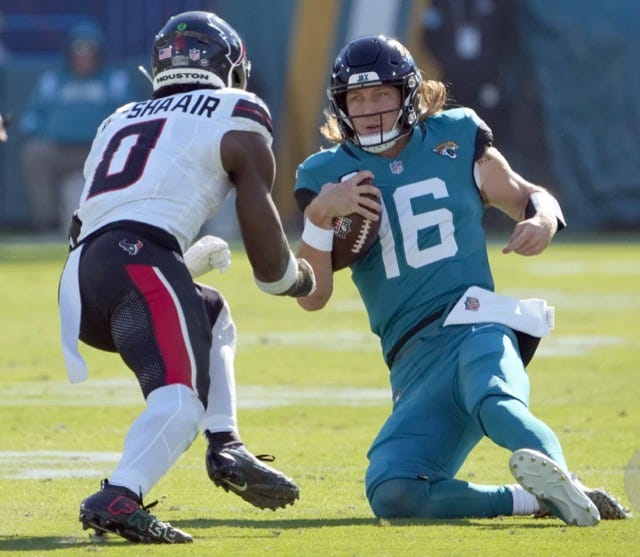
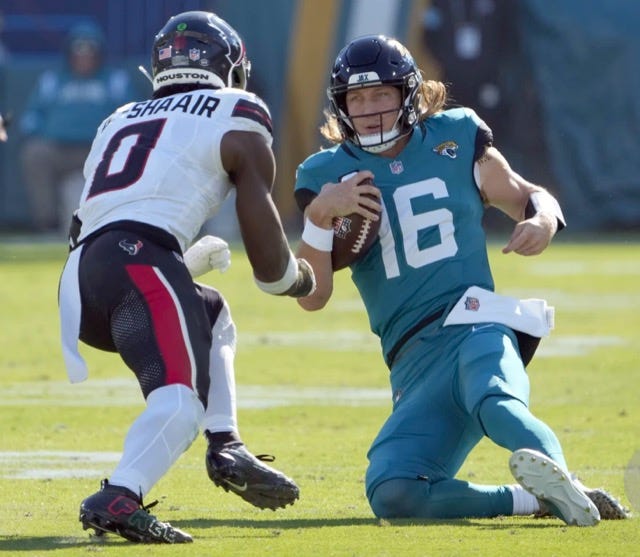
Football 101 of the week: There has been much talk of QB slides in the last few weeks. “Did he slide too late?” “Should he have slid there?” “Was that unnecessary roughness?”. There is a simple solution that NFL coaches are missing: the QB dive. This is a much easier, safer, and efficient way for QBs to end a run. If any of you football nerds are interested in why let me know….I’ve debated writing it up.
A MDK situation (fans of Demolition Man starring Sylvester Stallone and Wesley Snipes know MDK 😉 ) The name of this newsletter made itself known in the beginnings of my Costco cart this week…..
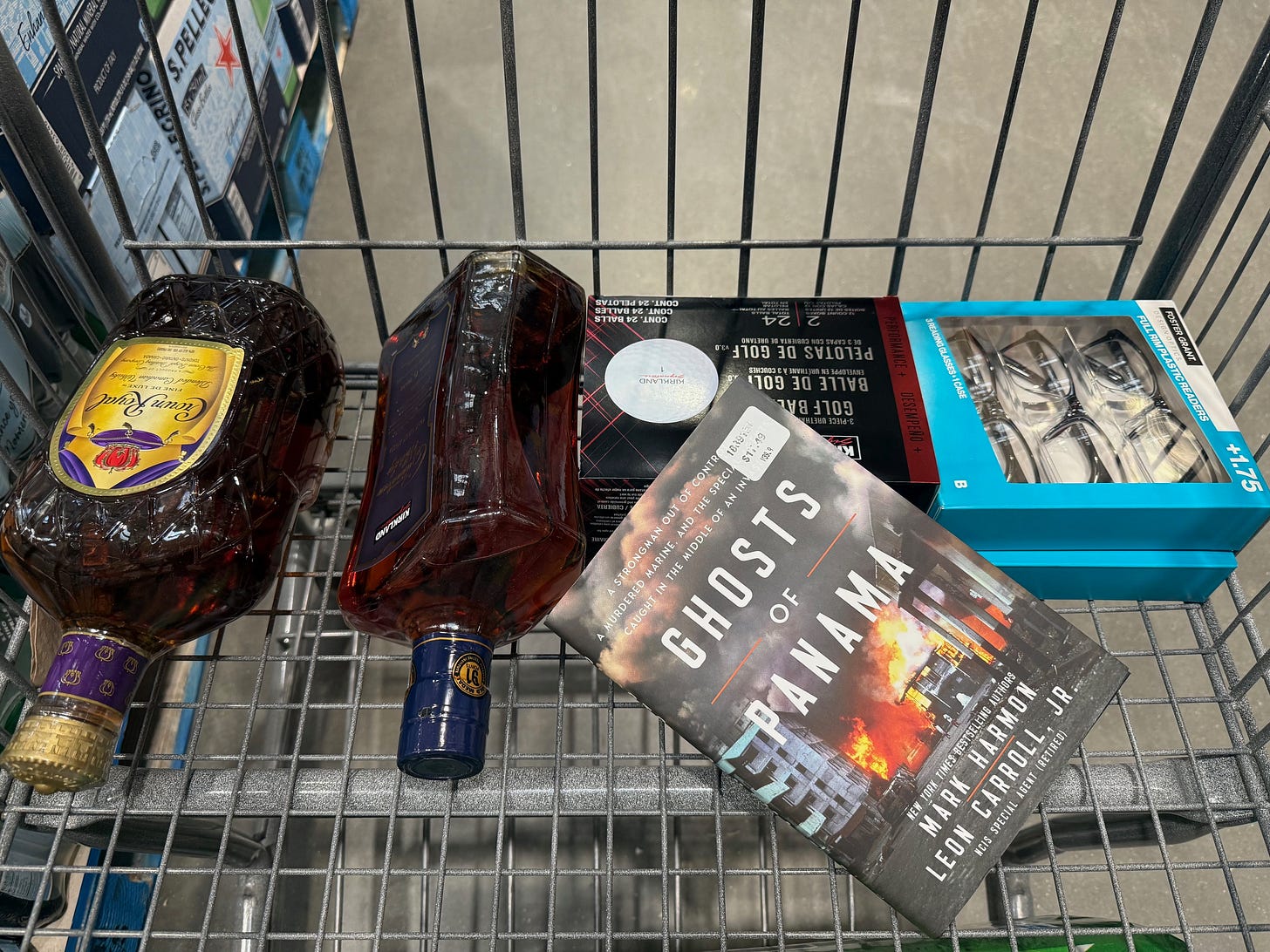
Empty Calories & Male Curiosity anyone?
GOING DEEP:
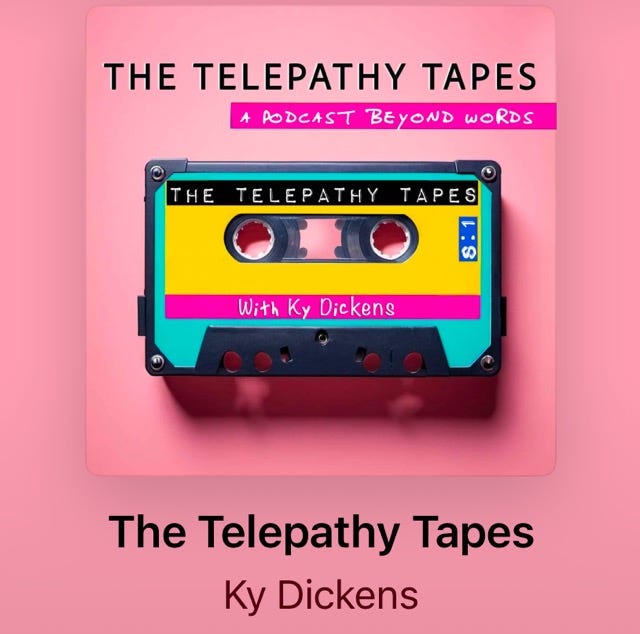
Last week I recommended a fantastic podcast called The Telepathy Tapes. I’ve heard from a few of you that you started listening this week and were similarly enjoying it.
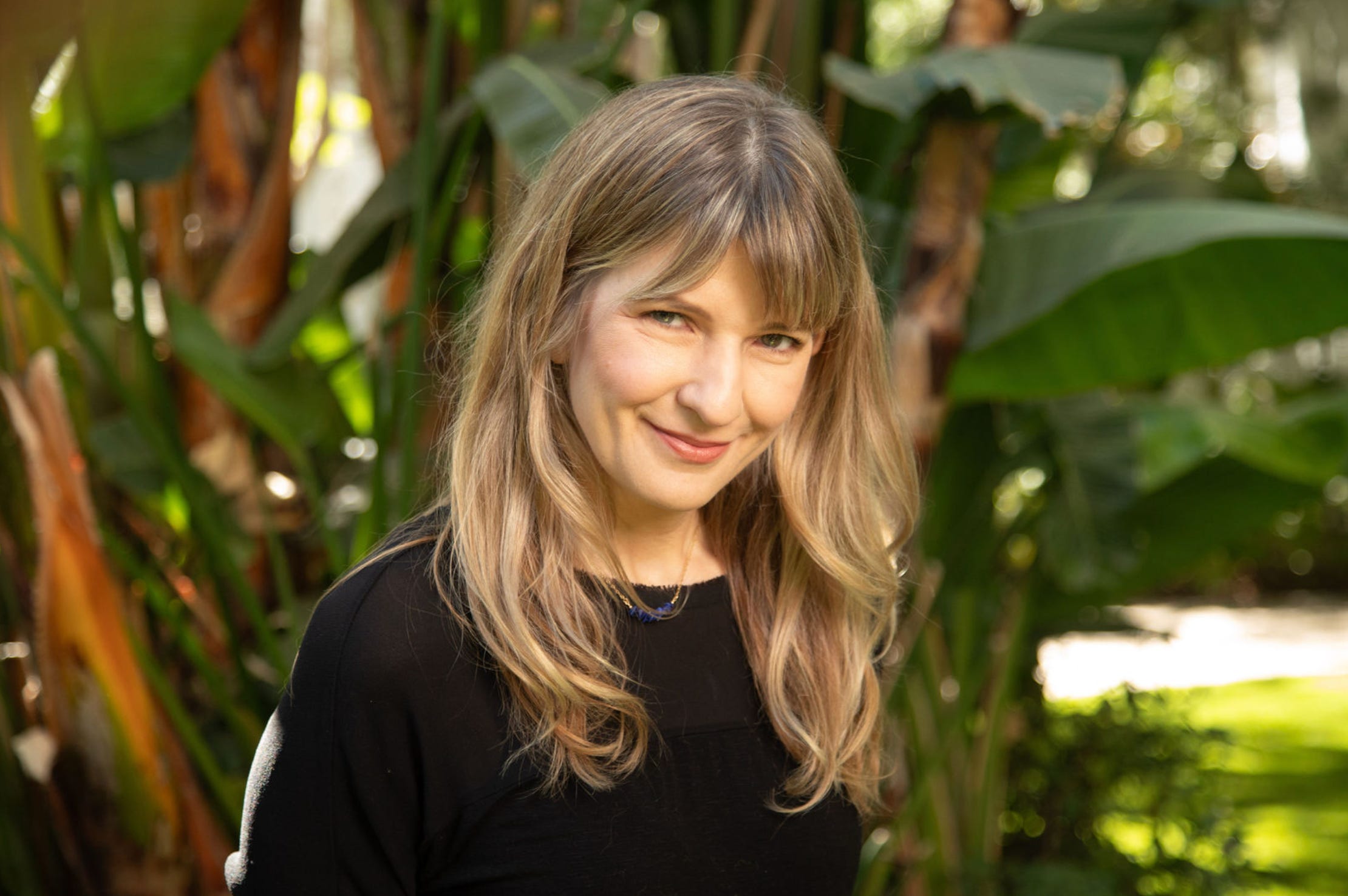
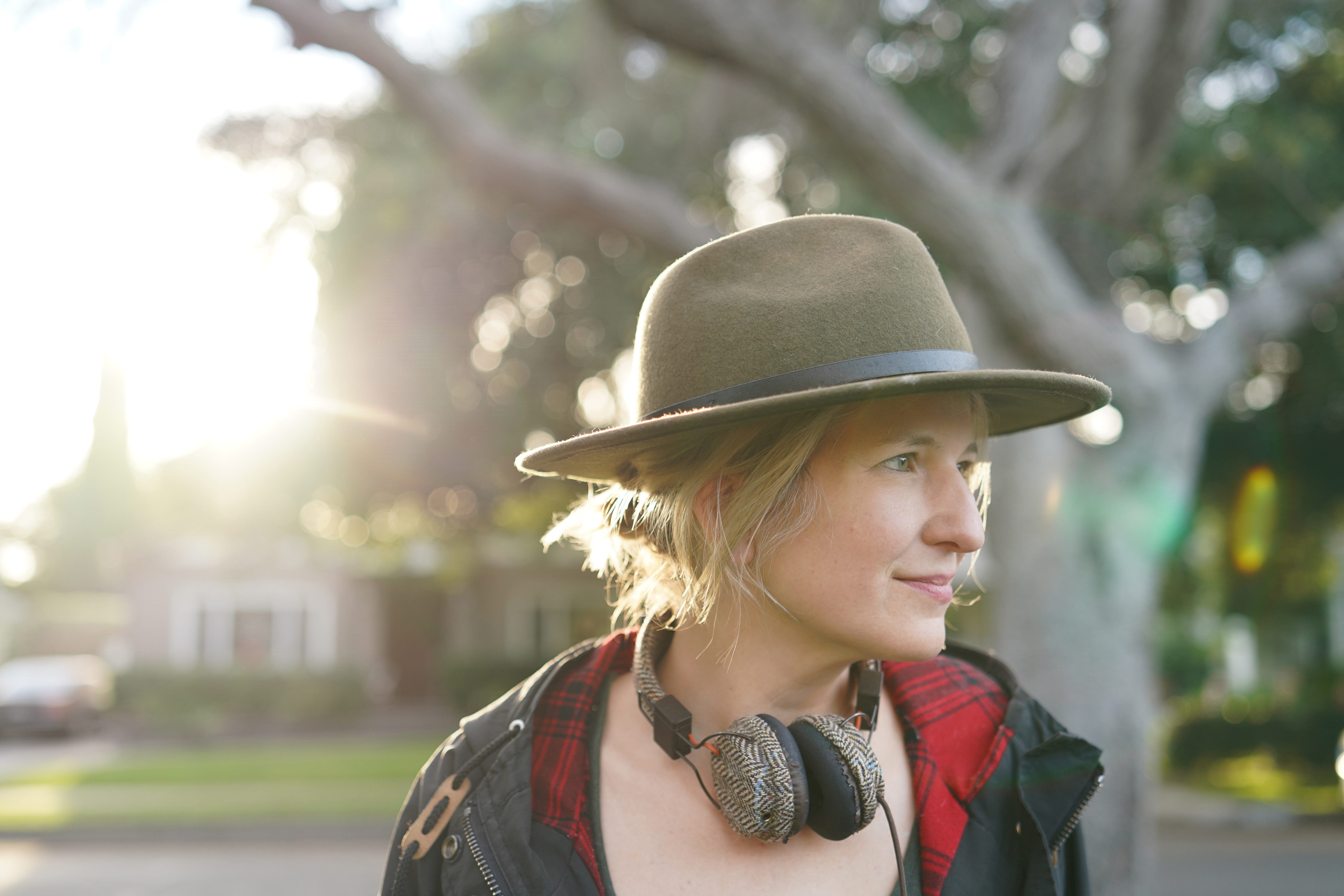
One of the things I’d hoped to do when I started this newsletter was talk to people that I found interesting and share their stories. Ky Dickens, the creator, director, and host of The Telepathy Tapes podcast has gratiously agreed to be my first guest.
Ky is an award winning director and filmmaker and I am so appreciative of her joining us this week. She’s got a fan for life now in me, and I hope to turn many of you into one as well.
1. Since you were in high school you’ve been involved with the special needs community, but what specifically set you on the course to do this podcast?
I’ve always loved working with individuals who society considers differently abled. In high school, I remember praying that God would give me children with special needs when I became a parent because it felt like so few people truly valued or wanted them. This love and appreciation has always held a special place in my heart.
However, my film work has historically been solely tied to social justice. I was in between films and searching for my next project when my spouse and I experienced the profound loss of two close friends. Both were remarkable human beings—true heroes in their communities—who passed away in the prime of their lives. Their loss shook me deeply and made me question the meaning of everything.
Being at a crossroads in my work, I decided that whatever project I pursued next had to help me wrestle with those questions: What’s the point of all this? Why are we here? And do we survive death?
As a documentary filmmaker, the research phase often involves years of reading, interviewing, and exploration before a single frame is shot or penny is raised or spent. I knew that if I was going to dedicate all that time, it was going to be solving my own questions about the meaning of life and if we survive death. That’s what ultimately set me on the course to create The Telepathy Tapes—a project that allowed me to dive into questions that were both urgent for me personally and profoundly human.
2. This podcast totally made me re-think my thoughts on what happens when we die. Did you have a similar experience while making it?
Absolutely. Repeatedly witnessing telepathic exchanges made me rethink everything that I thought was impossible. And once I realized the non-speakers and their families were telling the truth about telepathy, it became hard to dismiss anything else that was being shared. The non-speakers universally talk about love, mind-to-mind connection, the existence of a higher power and the continuation of consciousness. Beyond this, they have proven their assertations time and again by knowing things that are impossible to know or corroborating each other’s accounts of something otherworldly though they were all siloed when we met. This has totally shifted my perspective on the boundaries of life and death. While I don’t claim to have definitive answers, I personally do not fear death at all anymore. I fully believe that our consciousness continues and there is “life after death.” This was a big question mark before starting this project and for me now, it’s a settled truth.
3. You outline several things in the podcast that would be beneficial changes for how we handle the autistic community. What might you encourage people that aren’t currently involved to do at their local level?
The first step is to truly listen and be open to new paradigms of communication. Supporting organizations that advocate for nonspeakers, like spelling-to-communicate initiatives, is a great starting point. Locally, people can advocate for inclusive policies in schools, libraries, and public spaces that recognize and accommodate diverse ways of learning and communicating. Volunteer opportunities, like assisting with inclusive programs or sensory-friendly events, can also make a meaningful impact. Above all, fostering curiosity and compassion is key—taking the time to learn from the nonspeaking autistic community and amplifying their voices can spark transformative change.
4. What’s next?
I’ve just set up a Board of Non-Speaking Advisors to help answer this question and we have our first meeting this month. Collectively, our initial intent was always to make a compelling documentary film that introduces these incredible stories to the public. In the film, we will also present university-backed, air-tight telepathy tests done by Dr. Powell in a controlled setting. We’re in the process of finding funding for this documentary right now and people can make a tax-deductible donation by at our spotfund page.
I also want to create a second season of The Telepathy Tapes where we look further into our nature of reality by exploring other unique, substantiated cases of psi abilities. Of course, the non-speakers will be integral in this pursuit as well. Maybe most importantly, I’m committed to continuing advocacy for the non-speaking community through storytelling and partnerships with scientists, educators, and activists. People can follow any of these pursuits by joining our mailing list at www.thetelepathytapes.com
Once the documentary film is complete, I want to roll out a national impact campaign that works to advance spelling in schools and universities so the non-speakers can enjoy a complete and meaningful education and meet their full potential.
Have a great week everyone, thanks for reading!