


Holy cow, soooo many comments last week. Here is maybe the most intriguing:
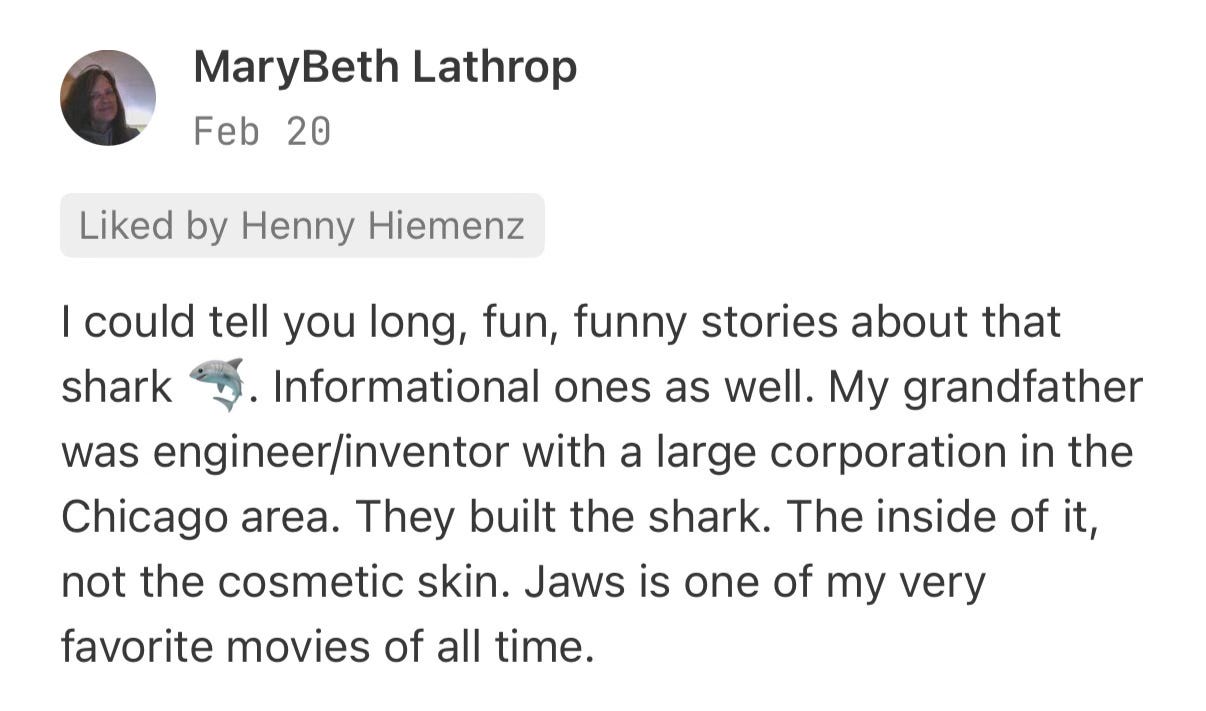
Anyone remember the guy on the right?
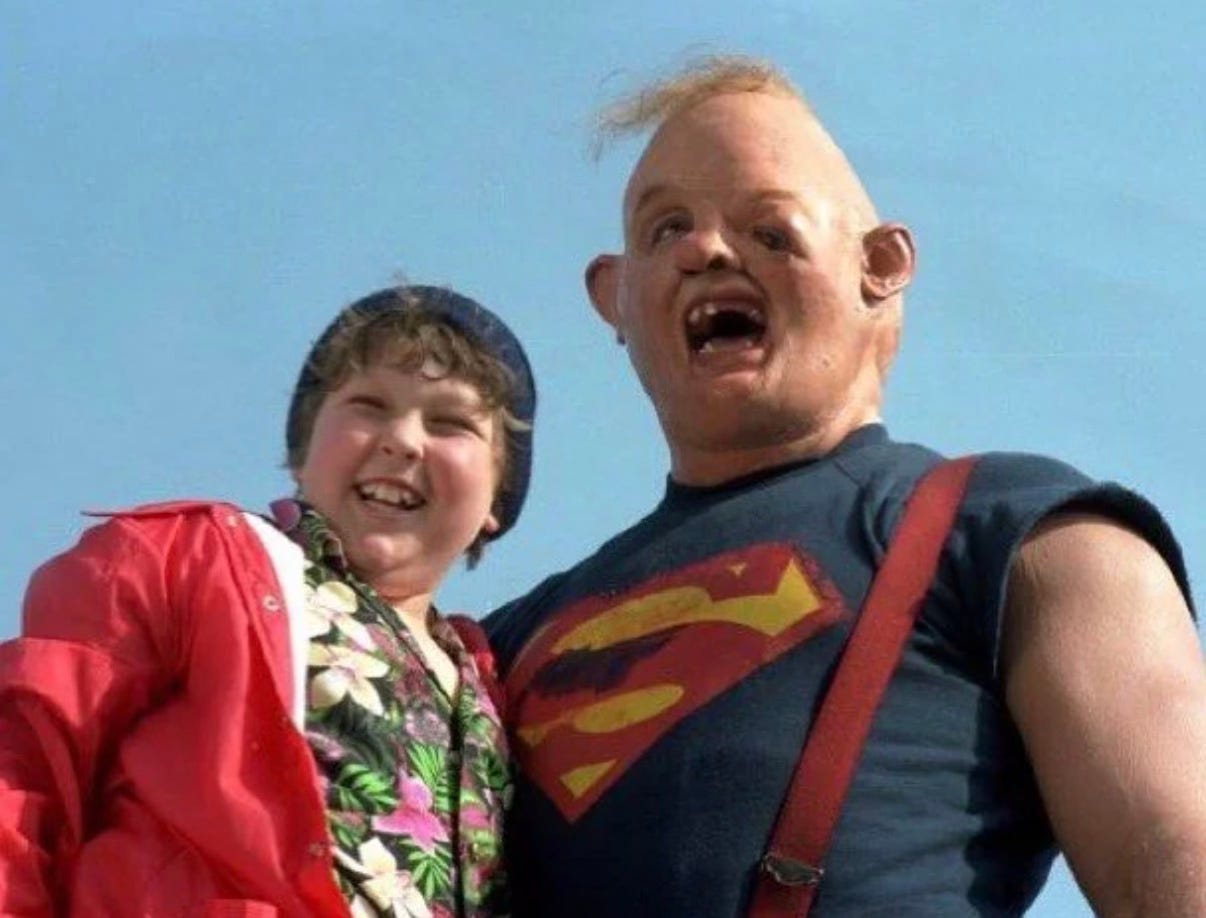
Or maybe you recognize him more like this….
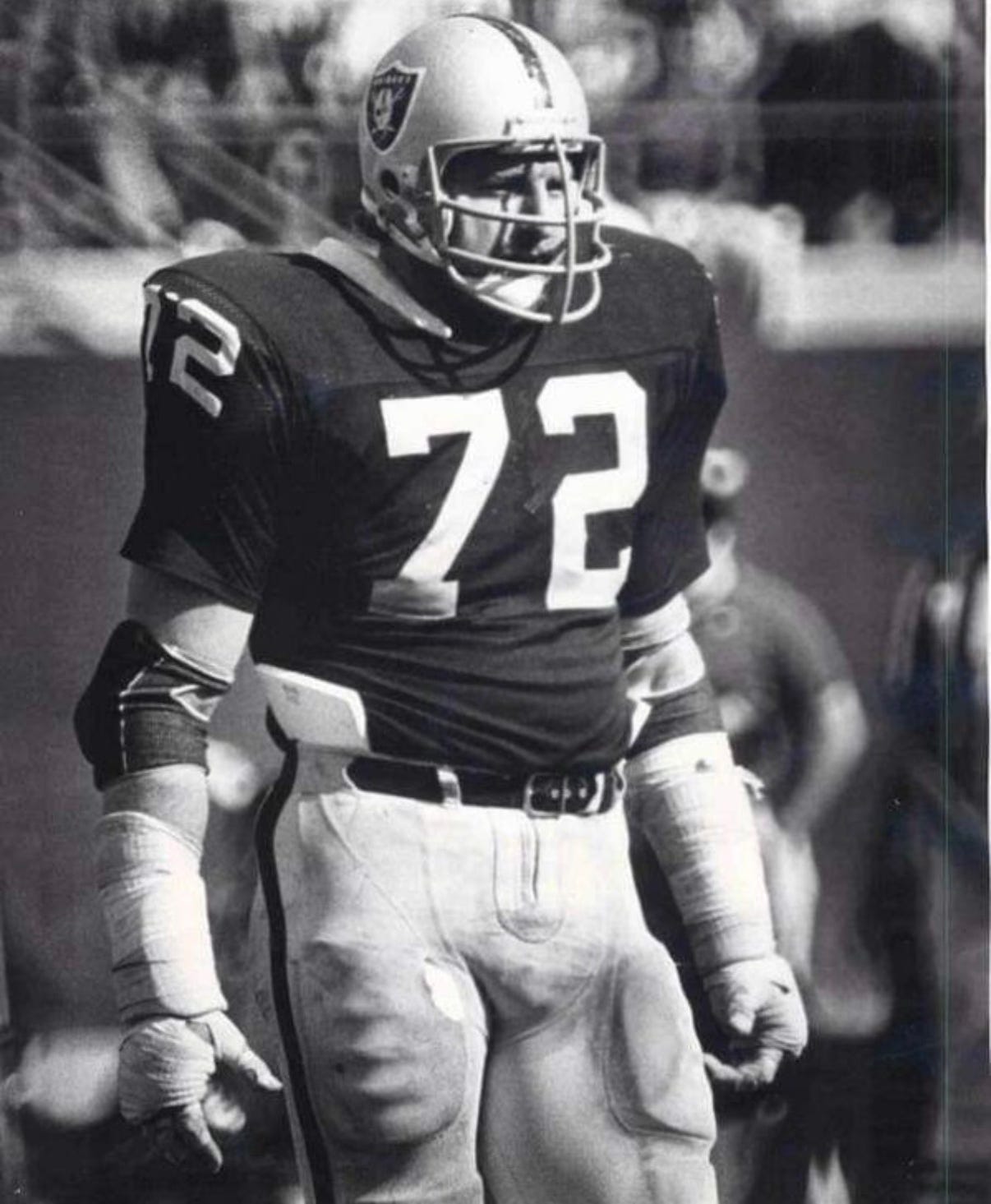
Well, I’m writing a book about him! It’s an unbelievable journey from small-town Wisconsin kid to Hollywood icon gone too soon.
Let me know if you’d read it in the comments!
Everything is Terrible, Except It Isn’t
Another Day in Paradise
Earlier this week I realized the second season of one of my favorite shows had dropped. It’s called Paradise (on Hulu). At the end of the first episode of the first season, a cover of Phil Collins’s “Another Day in Paradise” plays over the closing scene. The rhythm is restrained, almost processional.
It’s an amazing version of the song, arguably better than the original. Read till the end, and I’ll show you.
The irony is that the song’s title is doing most of the work. The show you are watching initially looks like paradise. But what Collins was writing about wasn’t paradise at all. It was about homelessness, and the way we train ourselves not to see it. The way suffering becomes background noise. The way you walk past someone in crisis and convince yourself you didn’t see them.
Collins wrote the song at the tail end of the 1980s, a decade still remembered for tremendous economic growth. Two years prior to the song’s release, Gordon Gekko uttered the phrase that would come to symbolize the decadence of the time:
“Greed is good.”
Fast forward to today and everything feels terrible. Politics is broken. AI is coming for our jobs. The economy is a house of cards. Student loans have strangled a generation. Phones are rewiring our brains.
We are one push notification away from societal collapse. Or at least that’s how it feels.
But here’s the inconvenient truth: by almost every measurable standard, this is the safest and most prosperous time in human history. Extreme poverty is down globally. Violent crime is down across the board. Medical advances are astonishing.
We carry more computing power in our pockets than NASA used to send humans to the moon. And we mostly use it to argue with strangers and look at cute dogs.
Or monkeys.
That doesn’t mean nothing is wrong. The purchasing power of the dollar has fallen dramatically since 1989, and our standard of living has not nearly kept up with inflation. That matters. But constant economic anxiety isn’t the same thing as total collapse.
Phil Collins was writing about turning away from suffering. We’ve taken a slightly different approach. We’ve chosen not to fix things, but to rename them. A few years ago, “homeless” people became “unhoused.”
The word changed.
The problem didn’t.
Renaming a fire doesn’t lower the temperature.
It’s tempting to decide someone must be orchestrating all of this. That shadowy villains benefit while we bicker over terminology and tweet ourselves hoarse.
Maybe there are some villains. But even so, we still have agency. We don’t need a new word to begin acting humanely. We don’t need a new villain to begin acting responsibly.
We don’t need the world to be perfect before we acknowledge what’s already good.
In the fall of 1989, when Collins’ Another Day in Paradise was making its way up Casey Kasem’s charts, I was in the seventh grade. A Catholic school dropout by the third grade, I was relegated to CCD by then. CCD was our Catholic church’s version of Bible class.
We called it Central City Dump, but what it really stood for, I have no idea.
Most years, the nuns talked at us. Then, in seventh grade, Ms. Thomas arrived. She was young, normal, and had the radical idea that we might learn something if we enjoyed it.
One night, she brought her boom box in and pressed play on Collins’ album But Seriously. We sat there quietly while “Another Day in Paradise” filled the room. The lyrics were haunting. The rhythm somber yet empowering.
It didn’t tell us what to think.
It showed us.
For maybe the first time in my life, I thought about someone else’s life more than my own. At the time my internal priorities were Randall Cunningham, girls, and surviving lunch period.
Empathy for others had not yet entered the equation.
By the following Wednesday, Ms. Thomas was gone. A nun informed us she had been teaching “outside the Bible.”
Maybe she was.
Or maybe she was teaching us to think.
Greed is bad. That part hasn’t changed.
But constant appetite is corrosive too. The endless sense that we are deprived, doomed, and one headline away from ruin. You can acknowledge what’s broken without declaring everything is broken.
You can care about suffering without pretending prosperity doesn’t exist. You can notice what’s working and build from there.
The world will gladly sell you outrage all day long.
But you don’t have to buy it.
🙈 🙉 🙊 🙈 🙉 🙊 🙈 🙉 🙊 🙈 🙉 🙊
This is a surprisingly inspiring read from a self-proclaimed curmudgeon. Well done 👏🏼👏🏼
Yeah, you gotta’ stay inside the Bible, man! Otherwise the nuns will get you.