


(This week’s book rec and dog photos at the end.)
NO KINGS: The System Isn’t Scared of Your Sign
Why outrage without sacrifice doesn’t do a damn thing
I read a line from Greek philosopher Epictetus earlier this week that kept echoing in my head as I thought about this piece:
“Anyone who can be restricted, coerced, or pushed into something against what they will is a slave.”
We hear that and think of force: something obvious, something we would notice. But what if coercion doesn’t feel like pressure? What if it feels like convenience? What if it looks like normal life? Because if that’s the case, we’re not being pushed. We’re being guided. And we’re willfully going along with it.
….Or are we?
We like to believe in free will. It’s foundational to how we see ourselves: Americans, many of us Christians, raised on the idea that our choices are our own. But author Chuck Klosterman complicates that comfort when he states:
“Free will is a detriment to the man who doesn’t realize he’s confused.”
Take a beat and let that quote sink in for a moment.
I know you couldn’t possibly be confused. Nor could I. But what about the other guy?
That confusion is the part we rarely interrogate. We assume we’re choosing, but we don’t spend much time examining the systems shaping those choices. The rhythms of our lives…what we buy, how we spend, what we prioritize…feel self-directed, but they’re often just deeply ingrained patterns reinforced over time. What we call freedom can quietly become habit, and habit left unexamined, can start to look a lot like obedience.
🙈 🙉 🙊 🙈 🙉 🙊 🙈 🙉 🙊 🙈 🙉 🙊
Most Americans live inside a system that nudges them to buy more than they need…not through force, but through incentives, expectations, and identity. You work to earn, earn to spend, spend to keep up, and keep up so you don’t fall behind. It doesn’t feel like coercion; it feels like participation.
“Upwardly mobile” comes to mind.
That’s how it hooks you. The system doesn’t need chains if it can convince you that this is success. And once you believe that, stepping outside of it doesn’t feel like freedom, it feels like losing.
This is what makes moments like the “No Kings” protests feel significant. People step outside the loop, at least temporarily. They gather, they speak, they signal that something isn’t right. Visibility matters, and collective action creates a shared awareness that individual frustration never quite can.
But history is consistent on this point: a single day of protest, no matter how large, is a statement, not pressure. If everyone goes home and resumes the same behaviors the next morning, the system doesn’t have to respond. It simply absorbs the moment and waits for it to pass. And most of the time, it does.
Part of the reason it passes so easily is because we’ve become exceptionally good at arguing sideways. We don’t stay on problems long enough to solve them. Instead, we pivot, we counter, we redirect.
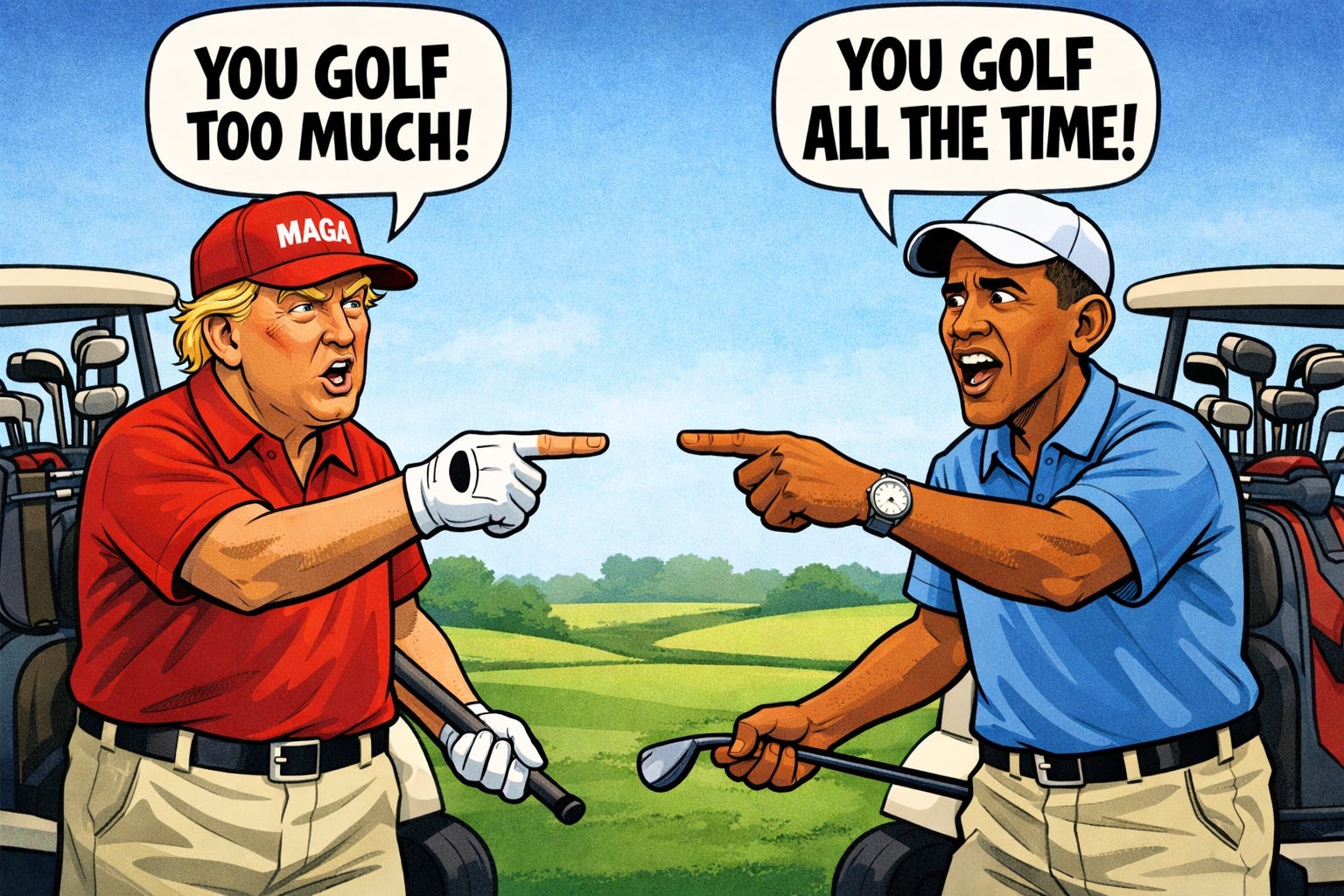
You don’t like what Donald Trump is doing? What about the Democrats who did XYZ? You point out a flaw? It’s always been flawed. You suggest a fix? What about this other issue you haven’t addressed?
This is whataboutism, and it’s undefeated. Every argument gets rerouted before it can land, which means nothing ever has to change. We don’t resolve problems; we get stuck comparing them.
It didn’t always work this way. There was a time when a limited, imperfect solution could still be accepted as progress. Car accidents used to kill far more people than they do now, so we introduced seatbelt laws. We didn’t eliminate risk entirely, but we reduced it meaningfully. At the same time, thousands of people still die every year from swimming, and we didn’t ban swimming. We understood the difference between manageable risk and preventable harm, and that understanding was enough.
Now, if a solution isn’t perfect, or if it doesn’t address every adjacent issue, it’s dismissed as insufficient. And “insufficient” has quietly become the enemy of “better.”
This is where protest often stalls out. After the signs and chants, there’s a second question that doesn’t get asked nearly enough: what happens next? More specifically, what are you willing to stop doing?
That’s where things shift from collective energy to personal responsibility. It’s one thing to show up and express dissatisfaction; it’s another to examine your own participation in the system you’re criticizing. That shift is uncomfortable, because it requires trade-offs. It requires you to give something up.
🙈 🙉 🙊 🙈 🙉 🙊 🙈 🙉 🙊 🙈 🙉 🙊
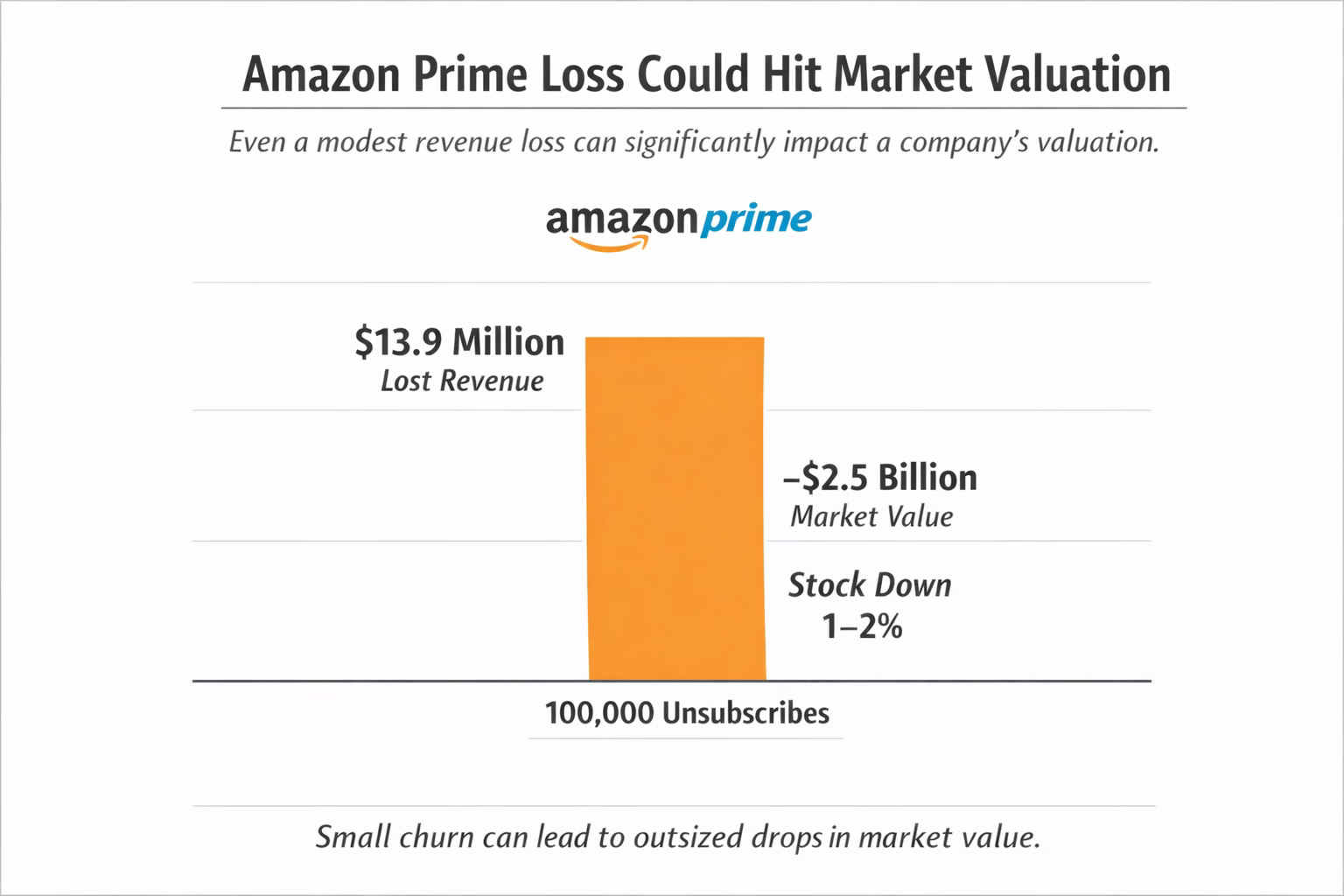
This is also where Scott Galloway’s idea of “resist and unsubscribe1” lands with a little more weight. His argument is simple: if you want to push back on a system, stop funding it. Cancel subscriptions, change spending habits, redirect your attention. Use your wallet and your time as leverage instead of just your voice.
It’s not loud, and it doesn’t come with the same social reinforcement as protest, but it asks a sharper question: if you’re angry at a system, why are you still feeding it?
Protest says, “I object.”
Unsubscribing says, “You’ll feel this.”
And systems don’t change because they’re criticized. They change because they stop working.
If there hasn’t been a fully organized, structural response from Democrats to Trump, part of the explanation may be less about courage and more about incentives. Truly dismantling the systems that enable power accumulation would require tearing down mechanisms that benefit both parties. Campaign financing, media ecosystems, influence networks…these aren’t partisan tools; they’re structural ones.
Disrupting them would be costly to the people profiting, Democrats included. So the more realistic strategy for them is patience. Let outrage build, let elections cycle, and position yourself to regain control within the same framework. The rhetoric may change, but the incentives often remain.
And if we’re being honest, most of us aren’t exactly pushing for systemic change either, not if it comes with real sacrifice. We say we want things to be different, but not at the expense of cheap gas, reliable Wi-Fi, and two-day shipping. We want reform that doesn’t inconvenience us, change that doesn’t alter our lifestyle in any meaningful way.
That’s not hypocrisy. It’s human. But it does set a ceiling on what’s possible.
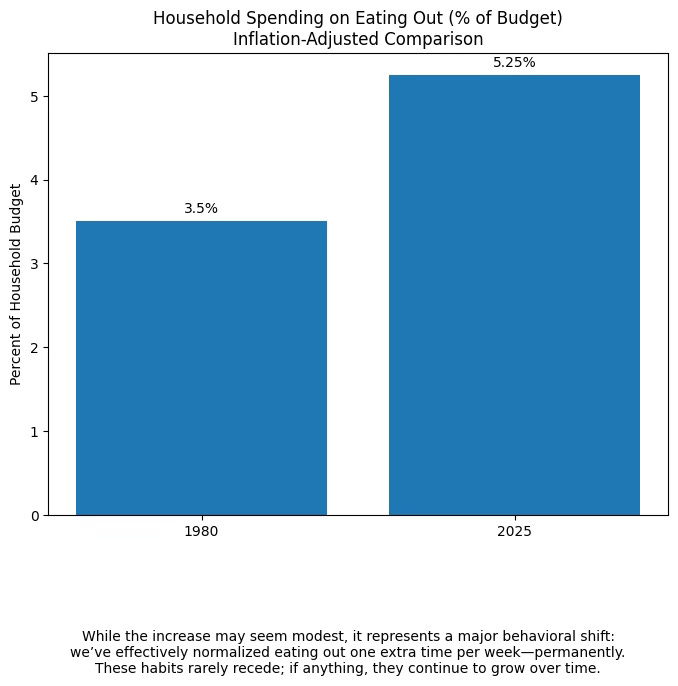
Consider how expectations have shifted. What used to feel like a splurge now feels like Tuesday. The baseline has moved, and we’ve moved with it, rarely asking whether any of it is necessary.
You can see this same dynamic play out in higher education in states across the country. For years, there’s been political pressure to keep taxes low, which has led to reduced public funding for state university systems. But these schools still need to operate, so they adapt…most notably by increasing out-of-state enrollment, since those students pay significantly higher tuition.
Then, a high-achieving in-state student (3.9 GPA & 30+ ACT) doesn’t get into UW-Madison, and the reaction is anger. What often gets missed is the connection between those realities. You can’t consistently reduce public investment in a system and then be surprised when that system looks elsewhere for revenue. The outcome feels disconnected from the cause, even though they’re directly linked.
This is the thread running through all of it. We want outcomes without fully owning the inputs. We want lower taxes and fully funded institutions. We want systemic change without personal disruption. We want to protest the machine while continuing to benefit from how it produces.
That doesn’t make us uniquely flawed.
It just makes us participants.
🙈 🙉 🙊 🙈 🙉 🙊 🙈 🙉 🙊 🙈 🙉 🙊
If Epictetus is right, the question isn’t whether we’re being forced; it’s whether we recognize the forces acting on us at all. The most effective systems don’t rely on pressure; they rely on alignment, on making their incentives feel like your own personal choices.
The research on protest movements shows that change comes from sustained participation, not isolated moments. And participation isn’t just showing up; it’s withdrawing, disrupting, and altering behavior over time. Pressure is created when systems stop functioning as expected, not when they’re briefly interrupted.
(This, by the way, is why strikes work.)
We say we don’t want kings. We say we value freedom. We say we believe in free will. But free will only matters if you recognize when you’re not actually using it. Otherwise, it becomes exactly what Klosterman warned about, a liability disguised as a gift.
We don’t need millions of people to show up once.
We need fewer people to live differently for a long time.
And that starts with a question that’s a lot less satisfying than a chant:
What are we willing to stop?
🛑 🛑 🛑 🛑 🛑 🛑 🛑 🛑 🛑 🛑 🛑 🛑
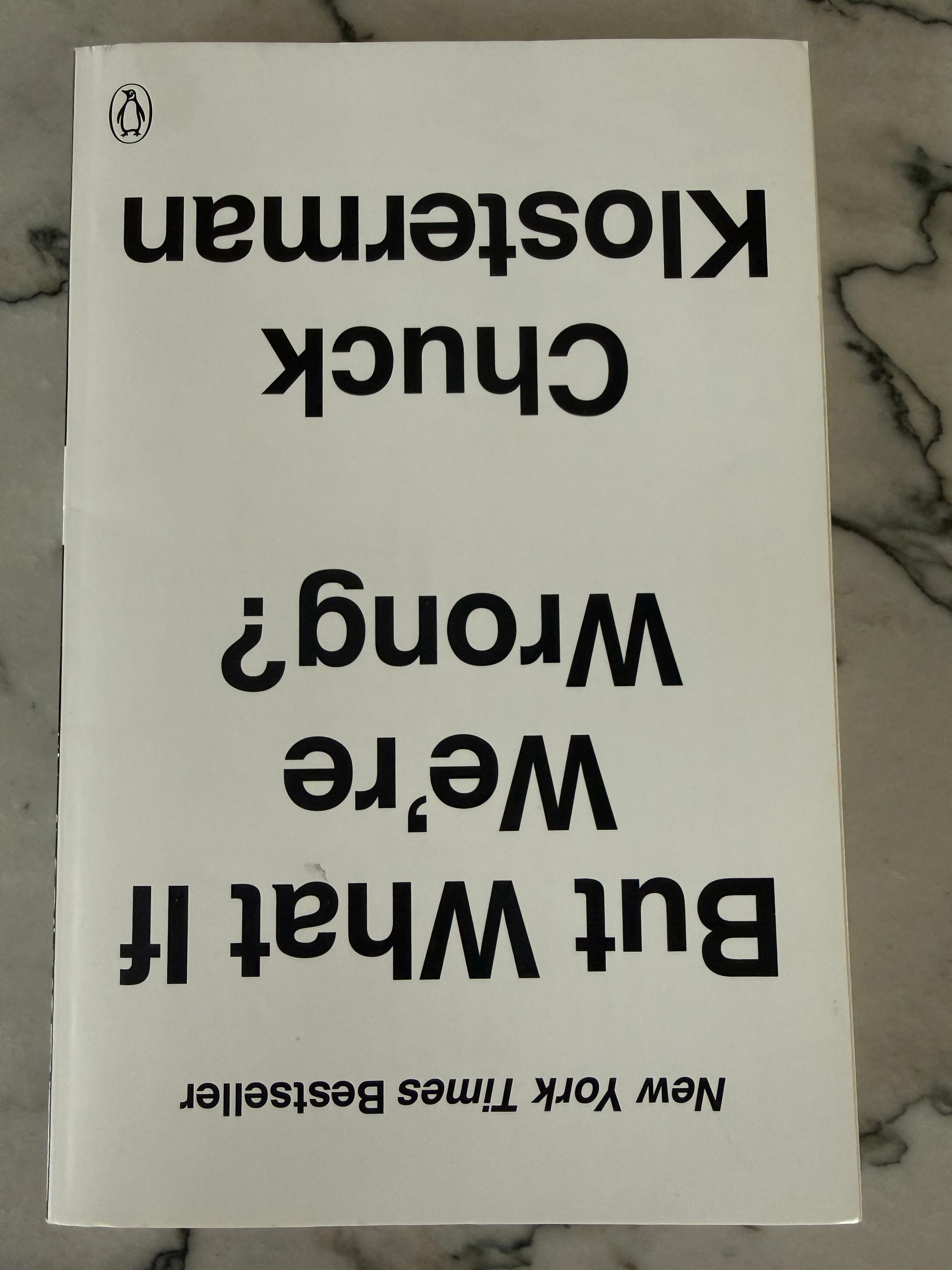
This week’s book recommendation is Chuck Klosterman’s “But What If We’re Wrong?” I picked this book not because of the quote from him earlier in this piece (that was from a different book). I did so because if what he posits in this particular book is correct, the biggest mistakes we’re making right now are the things we’re actually most certain about.
And that might include what we currently think counts as resistance.
We were gone for a handful of days this past week for a cheer comp and some family R&R. So here are the kiddos at camp:



Google it if you’re not aware. And no, I don’t like him now. But a good idea is a good idea.
We need both. The pedos in power(both sides) need to know that we have numbers.
Second, you vote more with your pocketbook than with a ballot in the age of billionaires.
Well thought out and laid out quite nicely, Henny.
This is very on point! I stopped spending years ago and I can't tell you how free that feels. I recognize luxuries almost no one else does. Paper towels instead of a worn out t-shirt to clean with. I'm telling you it's great to actually REALLY appreciate a sandwich take out. I love my simple life and highly recommend it.
I love the pictures too! Thank you, Henny.