


Although some may call me a curmudgeon, I must say my optimism will still occasionally bite me in the ass. As was the case earlier this week when I “popped” into CVS to pick up a prescription. And, if you’re asking why I went inside and not through the drive-through, that means you’ve clearly not attempted doing so recently.
Let’s just say their efficiency would be considered troublesome at Chick-fil-A.
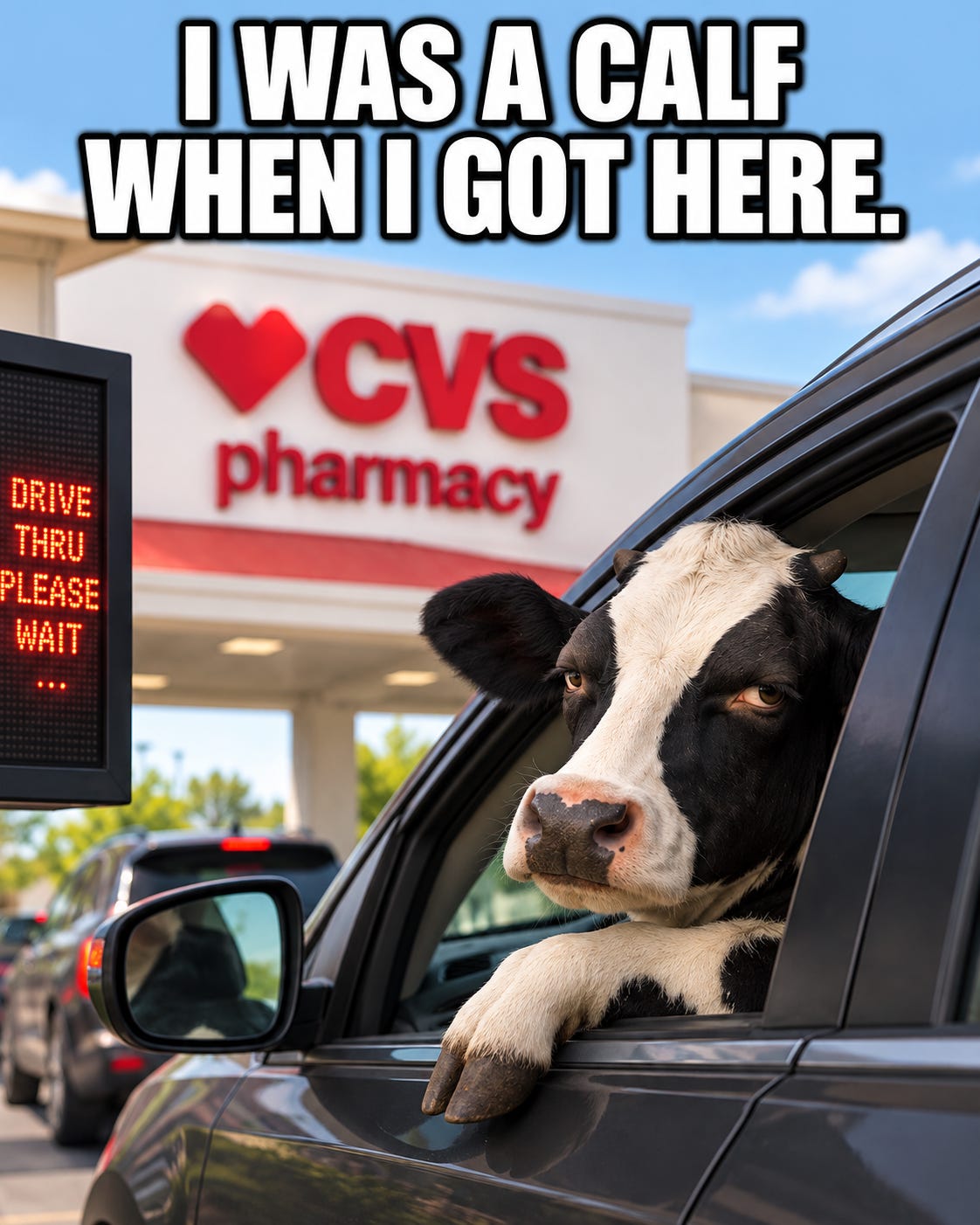
I can’t believe that I, the same person who now reads every news article with more than a healthy dose of skepticism, walked into that CVS actually believing I’d be back outside in under five minutes.
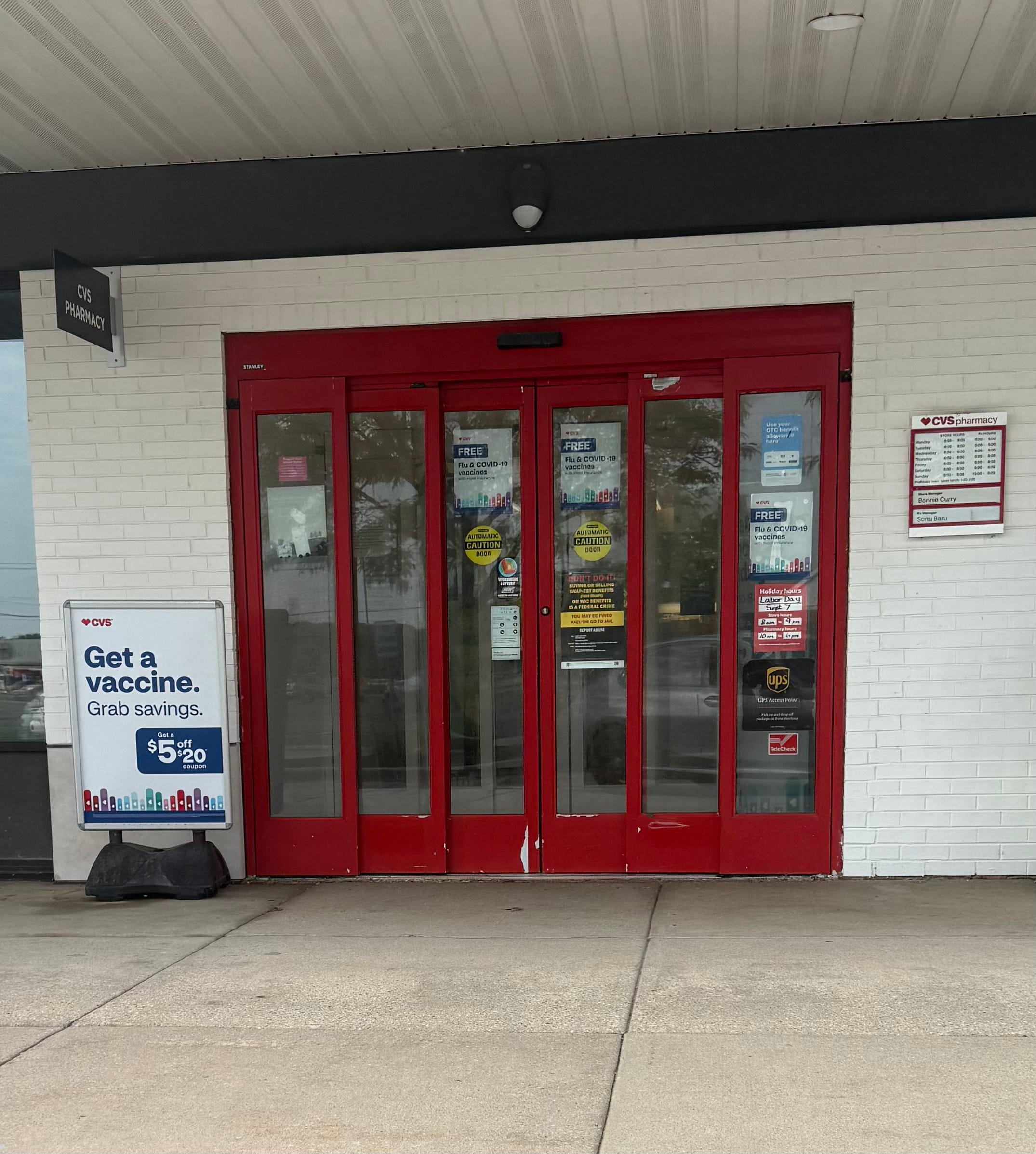
The store’s entrance should’ve been my first clue. A set of heavy red doors framed by white brick gave off more of a full-body cavity search vibe than a ‘hey we’re here to help’ one. Luckily, there were no workers immediately inside the doors there to search me for a concealed shiv.
In fact, it appeared there were no workers at all. No one behind the counter. And no one seemingly in between the crooked and haphazardly filled aisles.
A sign outside offered me a vaccine and five dollars off a twenty-dollar purchase. Which is CVS’s way of saying: We care deeply about your health, so long as you buy some rubbers and breath mints.
The entire reason for my trip was to pick up a prescription that the automated text I received from CVS said was ready. But it wasn’t. Because, of course it wasn’t.
Also, probably because the American healthcare system seems to be one small rectal exam after another. Death by a thousand cuts? More like death by a thousand lubricated index fingers.
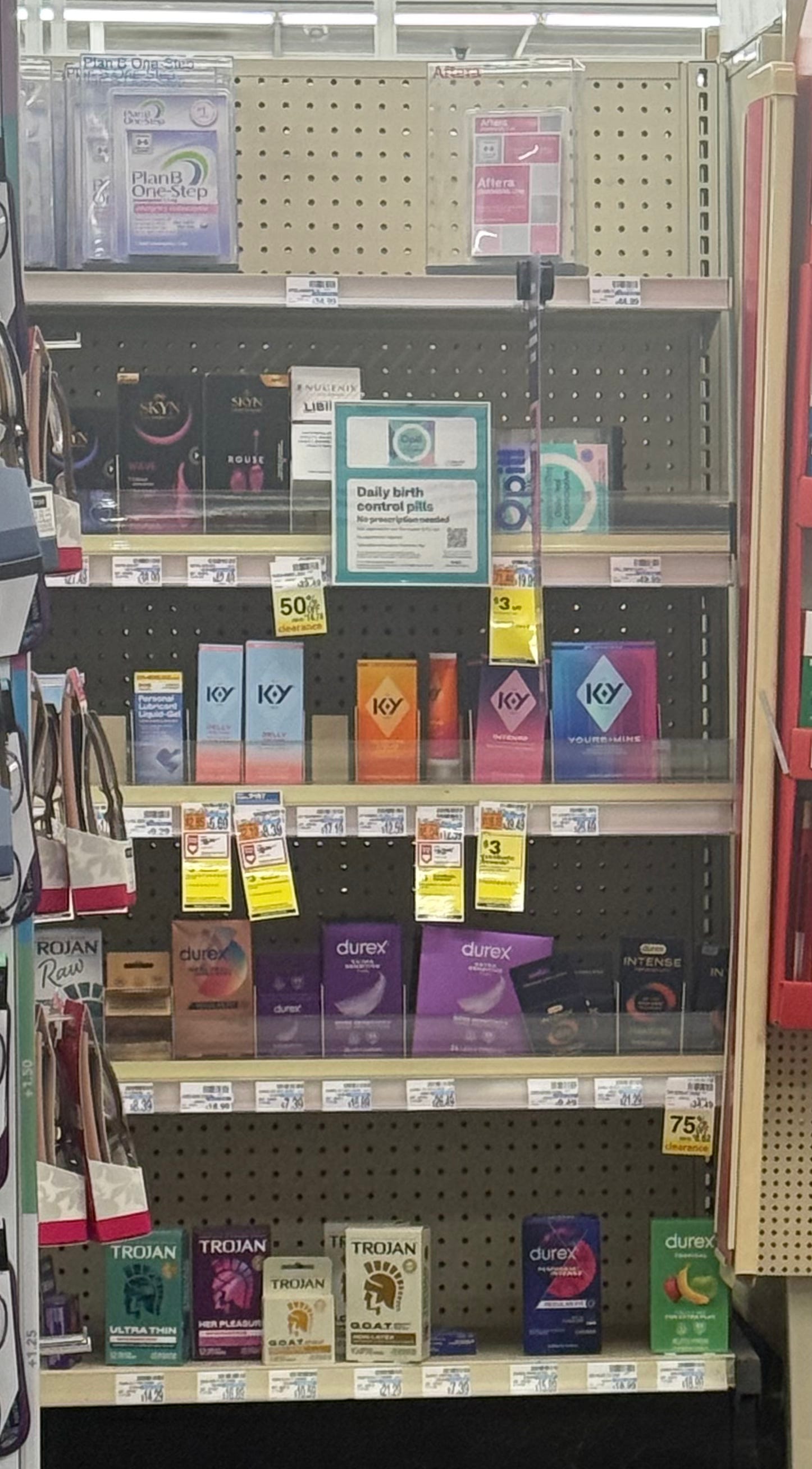
Speaking of lubrication, while I waited for my prescription, I was seated across from a beautifully curated display. Plan B occupied the top shelf. KY beneath that. Condoms at the bottom. CVS had arranged the entire American sexual experience in reverse chronological order: consequence, stimulant, prevention.
It was less retail display and more deconstruction of a 21-year-old’s Saturday night.
Pharmacies didn’t always used to be this way. Early American apothecaries actually prepared medicines by hand. And by the late 1800s, carbonated water was believed to have medicinal value, so these drugstores began installing soda fountains. Eventually, neighborhood pharmacies became a third space, where kids would go to get malts, adults would eat lunch at the counter, and everybody knew the pharmacist's name.
America had done what America did so well prior to our need to optimize everything and turn it into an app; we had stumbled upon a useful idea. If someone is sick, give them medicine and feed them a chocolate shake.
I, for one, cannot think of places like this without my mind drifting to Gower’s drugstore from It’s a Wonderful Life. A young George Bailey working behind the counter and a much-too-sexualized 12-year-old blonde girl giving him googly eyes. The place, if slightly off-kilter, what with Gower’s old man vibes and Violet’s pre-pubescent lusting of George…still comes off warm - busy and alive.
Yes, Mr. Gower is drunk with grief, and nearly puts poison into a child’s prescription after learning that his son has died. Hey, I never said this was an OSHA training film. But even with an intoxicated pharmacist one capsule away from manslaughter, Gower’s still appears to have more employees, warmth, and community than the average modern CVS.
Somewhere along the way, we removed the soda fountain, the lunch counter, and the owner’s name from the sign. In exchange, we added a drive-through, insurance companies, and one exhausted employee responsible for all of it.
Corporate America helped drive the neighborhood pharmacies out of business, perfected the model, expanded it nationwide, and then apparently lost interest in operating the very monopolies they now controlled.
The modern pharmacy feels like the store everyone abandoned fifteen minutes before a disaster movie begins. Which brings me to the film World War Z.
Brad Pitt’s daughter needs asthma medicine while zombies are overrunning the city. He enters a pharmacy amid looting, sirens, and the collapse of civilization. Yet he finds the medicine and gets back out with less difficulty than most of us encounter trying to refill a prescription on an ordinary Tuesday.
The undead may have been ravaging Philadelphia, but no one asked Brad Pitt to wait forty-eight hours while they faxed the pediatrician.
The one thing that saved my own CVS visit was the music. The entire playlist was absurdly good. First, “Disarm” by the Smashing Pumpkins played. Then came the real surprise: Thompson Twins, “If You Were Here,” from the final scene in Sixteen Candles.
In that carpeted fluorescent bunker, it sounded magnificent.
The song took me back into the entire John Hughes universe - Molly Ringwald, Anthony Michael Hall, Long Duk-Dong, and all those exquisitely lonely teenagers who still believed there was enough time before the credits to say the right thing and make tomorrow better.
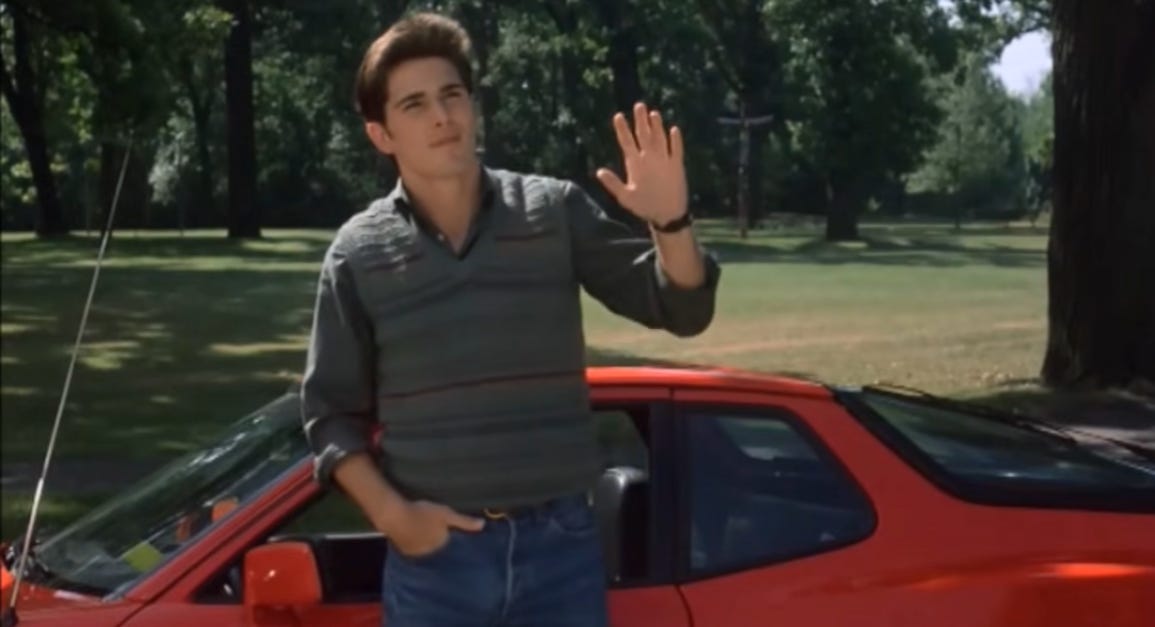
Even their sadness leaned toward something. There was still a prom, a parking lot, or maybe even a hot guy waiting beside a Porsche.
Now it sometimes feels as though each morning merely delivers an update explaining which part of life has gotten worse since yesterday.
Still, for four minutes, CVS gave me a little 1984 optimism. It did not fill my prescription or free any Mucinex D from a locked case, but it reminded me of a time when heartbreak came with synthesizers and could be resolved before the janitor folded the chairs.
Eventually, I received my small paper bag and walked back through the red prison doors.
I am not asking CVS to bring back the soda jerk. I would settle for enough employees to answer the phone, a working computer system, and a waiting area that does not face the complete life cycle of regrettable sex.
Pharmacies once understood something about waiting. They gave you a stool, a soda, and another human being to talk to.
We optimized away all three.
And unfortunately, I don’t think Jake Ryan is coming to sweep us off our feet.
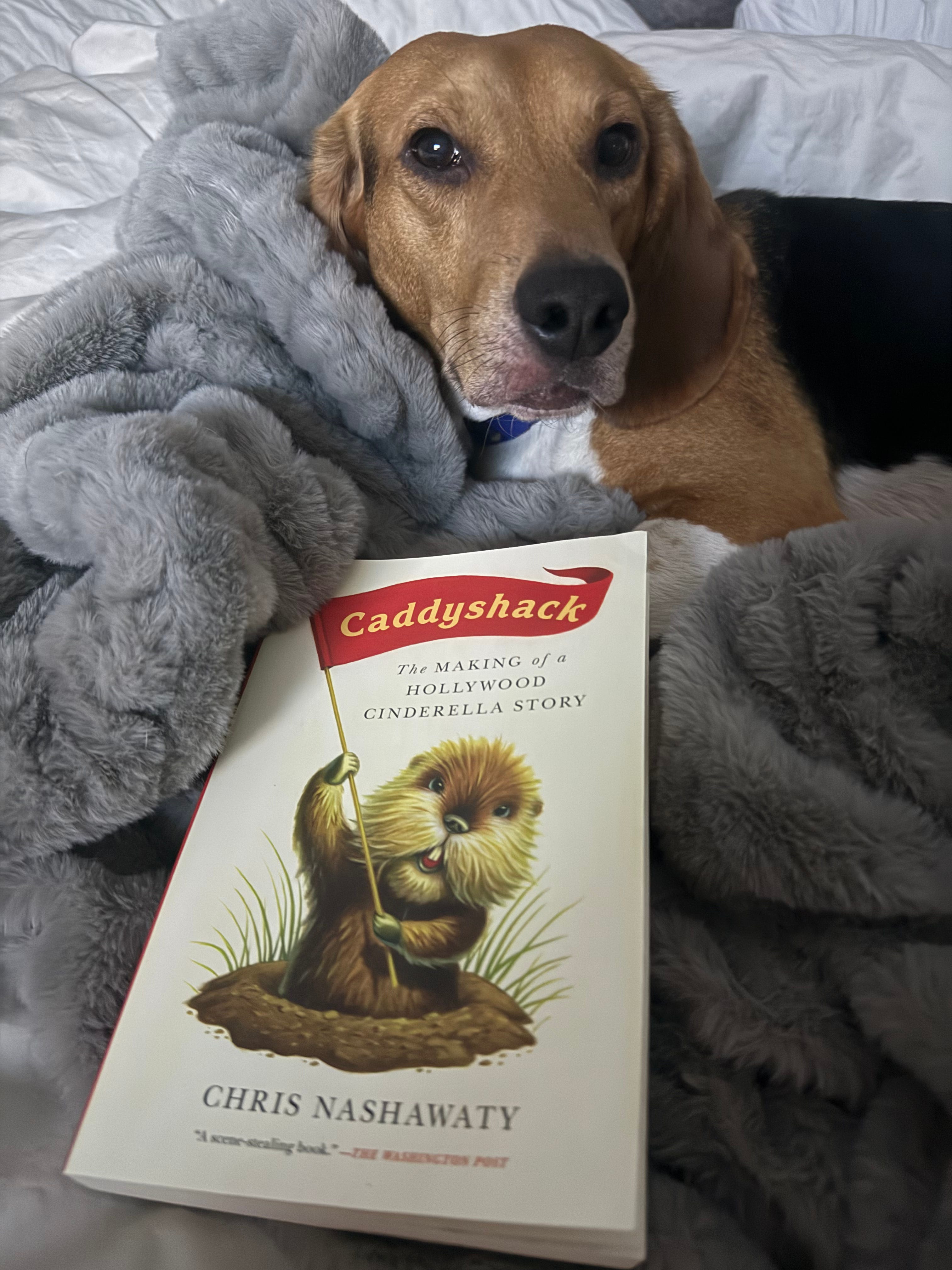
This week’s book recommendation is Chris Nashawaty’s Caddyshack: The Making of a Hollywood Cinderella Story. It tells the story of how the cult classic actually got made, and more importantly, the story of the people who made it.
This was certainly an enjoyable read and a real page turner. However, what impressed me the most was the amount of research that must’ve gone into writing it. This man brought serious Doris Kearns Goodwin energy to a book about a movie with a floating Baby Ruth.
My senior year in high school, I remember driving to a Thrifty (the old west coast equivalent of CVS) after school and buying myself a scoop of chocolate chip ice cream for 35 cents. It was the best.
Sadly it is a solid observation about modern retail. Give me the small and intimate bakery or bookstore. It seems that it’s all that’s left.